
Influencer corruption at Substack?
Something strange is going on with paid accounts on Substack. Are influencers being paid off by somebody to produce certain kinds of content?

Good afternoon, my friends.
Some of you might have heard that influencers on X are likely being paid by foreign governments and other organizations to post certain kinds of content. These allegations are not a surprise; if you spend any time on social media, you have likely read content posted by influencers who are being paid to do so but who do not disclose such payments. There is currently no law requiring influencers to disclose such relationships.
But did you know that Substack itself is likely rife with this sort of thing?
I have noticed something very odd about certain commenters on some substacks that only allow paid subscribers to comment.
The pattern is as follows:
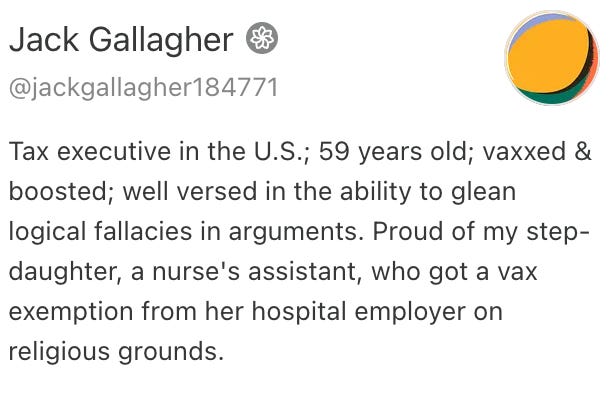
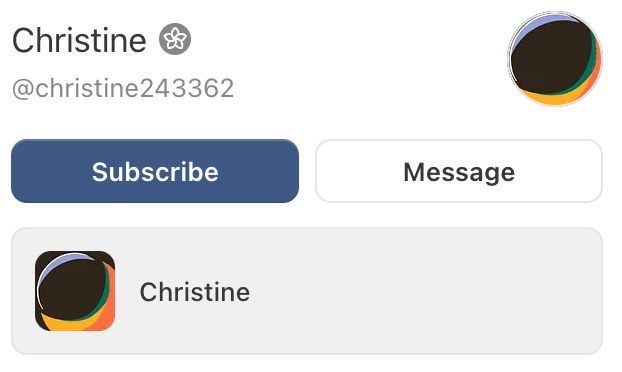
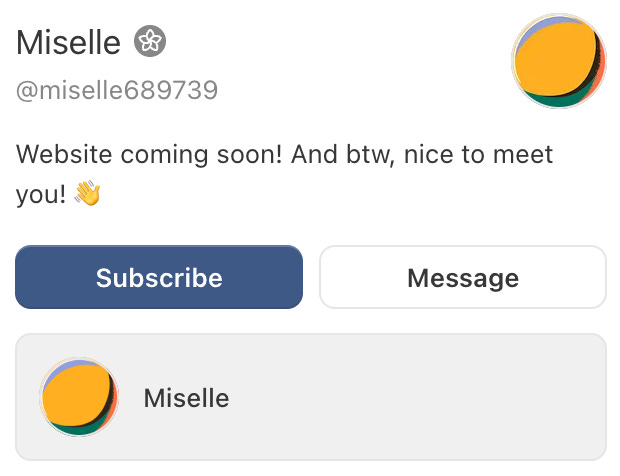
When you hover over the commenter’s name, you see something like this: karen345679
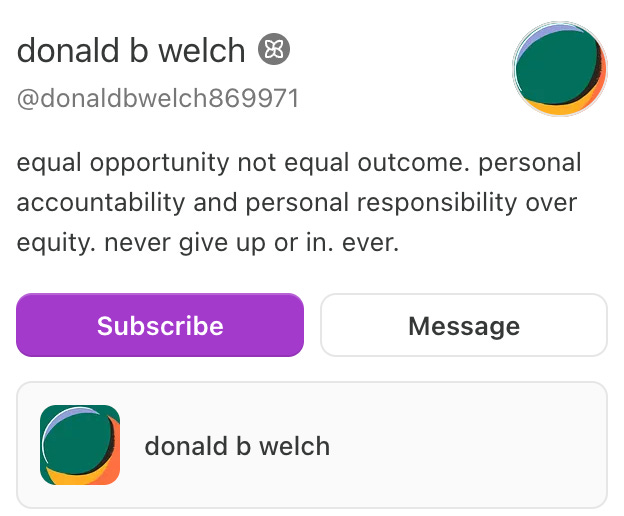
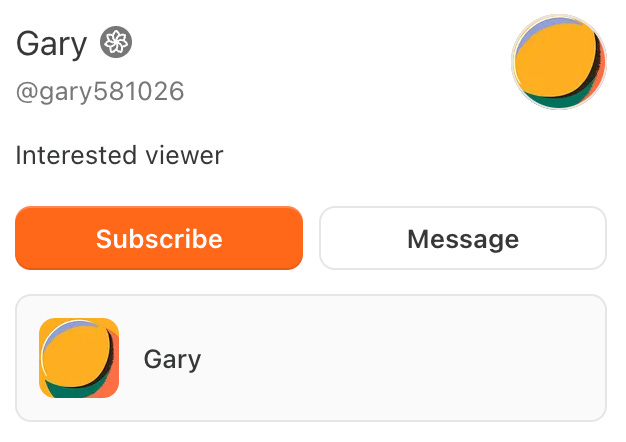
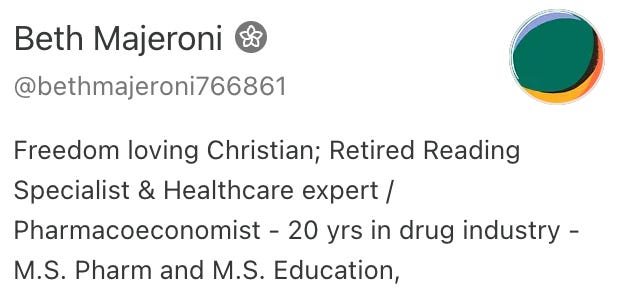
Few of these accounts have a profile picture.
Many just have a little blurb of text with some innocuous babble or no text at all.
Here are some examples of what I mean:
I recommend that you go into the comments of any political writer who has the following paid subscriber symbols:
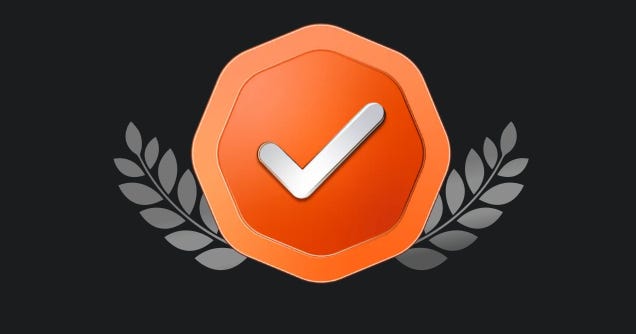
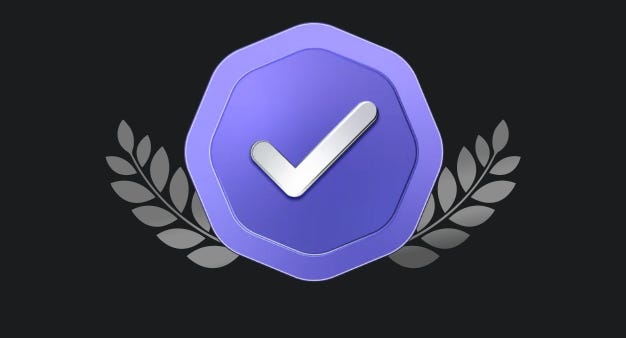
Remember that in order to comment, these accounts have to be paid if the writer has comments set to paid subscribers only. So the writers of such substacks are being paid through subscriptions. Money is changing hands, and certain writers on Substack are making tons of it.
Are they aware that many of their paid subscribers could be bots? I do not know, and there’s no way to find out except to ask them, and I doubt any would respond to such inquiries.
Be aware that some substacks don’t allow comment threads to be seen by non-paid subscribers, but many do, so you can check this for yourself. Go to some of the political substackers and hover over the names of some of their commenters if the paid comment thread is public.
Note also that I am not saying all of such accounts are paid bots.
I know that some of you might disagree and think that I am exaggerating here, but I do not think so. There are just too many of these accounts in the paid comments of certain substacks.
These are the questions that come to mind:
Why are there so many of these bot-like accounts on Substack?
Who is funding these accounts?
Why are they funding them?
Are the funders foreign governments?
Are the funders corporations?
Are the funders political groups or parties?
Are elements in the US government funding these accounts?
Many questions but no answers, my friends.
I hit Grok up about the issue of influencer corruption on Substack, and here is some of what he noted:
The pattern you’ve described—commenters with generic email-style usernames (e.g., karen345679@gmail.com), minimal or no profile pictures, and bland, filler bios—does align with indicators of inauthentic accounts on various platforms, including Substack.
These traits often suggest bot-like or farmed accounts created en masse, rather than genuine individuals engaging organically. Since Substack’s paid-comment sections require a subscription fee (typically $5–$10/month or more), this implies real money is being spent to maintain access, which raises questions about funding sources and motives.
While Substack doesn’t publicly disclose detailed subscriber verification processes beyond basic email confirmation, the platform’s growth has invited scrutiny over authenticity, similar to issues on Twitter/X, Reddit, or Patreon.
Is There Influencer Corruption on Substack?
Yes, there are credible signs of corruption or manipulation involving influencers and accounts on Substack, though it’s often subtle and hard to prove without internal data. Substack’s model rewards creators with high subscriber counts through revenue shares, recommendations in the algorithm, and perceived authority, creating incentives for artificial inflation.
Reports and discussions point to fake subscribers and commenters being used to boost engagement, launder funds, or shape narratives. For instance, bot-driven comments can distort reader perceptions by flooding sections with coordinated praise, criticism, or misinformation, making fringe views seem mainstream or eroding trust in legitimate content.
This isn’t unique to Substack—it’s a broader internet issue—but the paywall adds a financial layer, as someone has to foot the bill for these accounts.
Evidence from public sources includes:
Complaints about spam, bots, and scammers infiltrating Substack, with users noting an influx of low-effort accounts similar to what you’ve seen.
Accusations that Substack is being used for organized influence operations, potentially replacing older methods like ghostwritten books for funneling money to political actors.
Broader influencer ecosystems tied to dark money, where creators are funded to push specific agendas without disclosure, sometimes through subscription-based platforms like Substack.
Substack has faced criticism for lax moderation, allowing bad actors to thrive under the banner of “free speech,” which could enable coordinated harassment or propaganda. While not all generic accounts are fake (some users just value privacy), the pattern in paid sections suggests orchestration, especially if comments feel scripted or off-topic.
Speculation on Who Might Be Paying and Why
This is inherently speculative, as direct evidence is scarce without subpoenas or leaks, but logical deductions based on similar cases across platforms (e.g., Russian bot farms on social media) point to several plausible culprits. The “why” often boils down to influence, profit, or control—paying $5–$10 per account/month scales affordably for large operations (e.g., 1,000 accounts at $5/month = $60,000/year, a drop in the bucket for well-funded entities).
The Creators/Influencers Themselves (Self-Promotion and Metrics Gaming):
Who: Substack writers or their teams/managers, especially those building personal brands in niches like politics, health, or finance.
Why: To inflate subscriber numbers and create the illusion of popularity, which attracts real paying readers via Substack’s discovery algorithms and leaderboards. Higher subs mean more revenue (Substack takes 10%, creators keep 90%) and leverage for book deals, speaking gigs, or sponsorships.
Fake commenters can seed positive feedback loops, making the content seem more engaging or credible. This mirrors “buying followers” on Instagram or YouTube, but with a subscription twist—it’s essentially vanity metrics on steroids. If a writer’s income depends on perceived influence, faking it until you make it becomes tempting, especially in competitive fields.
Political Groups or Dark Money Organizations (Agenda-Pushing):
Who: Partisan outfits like MAGA-aligned networks, progressive dark money groups (e.g., those funding undisclosed influencer programs), or foreign actors (e.g., state-sponsored ops from Russia, China, or Iran).
Why: To amplify propaganda or discredit opponents in echo chambers. Substack’s independent vibe makes it ideal for astroturfing—fake grassroots support.
For example, conservative influencers have been linked to coordinated content that aligns with authoritarian goals, funded by undisclosed donors.
On the left, programs like “Chorus” have been exposed for secretly funding creators to avoid criticizing Democrats, using dark money to control narratives. Foreign entities might pay to sow division, as with bot farms eroding acceptance of “good ideas” for geopolitical gain.
Paid comments ensure the narrative dominates discussions, influencing undecided readers. In polarized topics (e.g., elections, vaccines, wars), this can shift public opinion subtly over time.
Corporations or Interest Groups (Corporate Influence):
Who: Big Pharma, tech companies, lobbyists, or industry PACs—anyone with a stake in public discourse.
Why: To protect reputations or promote products indirectly. For instance, a health influencer might get flooded with supportive comments from fake accounts funded by supplement companies, or critics of a corporation could see their sections derailed by trolls. This is akin to review bombing on Amazon but for ideas. Profit motive is key: as one analysis notes, the “cumulative effect of eroding public acceptance” can be leveraged for enormous gains, like influencing policy or market trends.
Scammers or Fraud Networks (Monetization Schemes):
Who: Organized fraud rings, possibly from overseas (e.g., Nigerian scammers or AI-assisted bot farms), or even money launderers.
Why: Substack could serve as a laundering vehicle—buy subscriptions with illicit funds, then withdraw “clean” earnings. Or, use fake accounts to build trust for scams (e.g., phishing links in comments).
The platform’s payout system (via Stripe) makes it attractive for washing small amounts at scale. Broader fraud in influencer spaces, like Ponzi schemes or fake endorsements, shows how this ecosystem operates.
In summary, while Substack promotes itself as a haven for authentic voices, its economics and minimal barriers invite exploitation.
I refuse to believe that most of these bot accounts are real people. There are simply too many of them posting in the comments of certain political writers on substack. I suspect they also appear in other niches that are focused on various products and services instead of politics.
When I had free subscribers on my list, I noticed many Gmail, ProtonMail, and even Hotmail accounts with the same naming convention: karen456789@whatever.com.
Moreover, when I allowed these accounts to remain and I sent out content, my open rate went from around 50% down to 20%. That means that most of those accounts were not opening my emails to read my content. It’s one of the reasons I purged them all from my email list. They were essentially dead free subscriber accounts that never interacted with my content.
I had thought that such accounts were mostly scraper bots that sign up for Substack newsletters to steal the content and put it on other sites, as well as some AI bots that take the content and use it to train models for free.
I did not put two and two together until very recently when Rich Baris mentioned corruption on X related to influencers being paid off to post certain content.
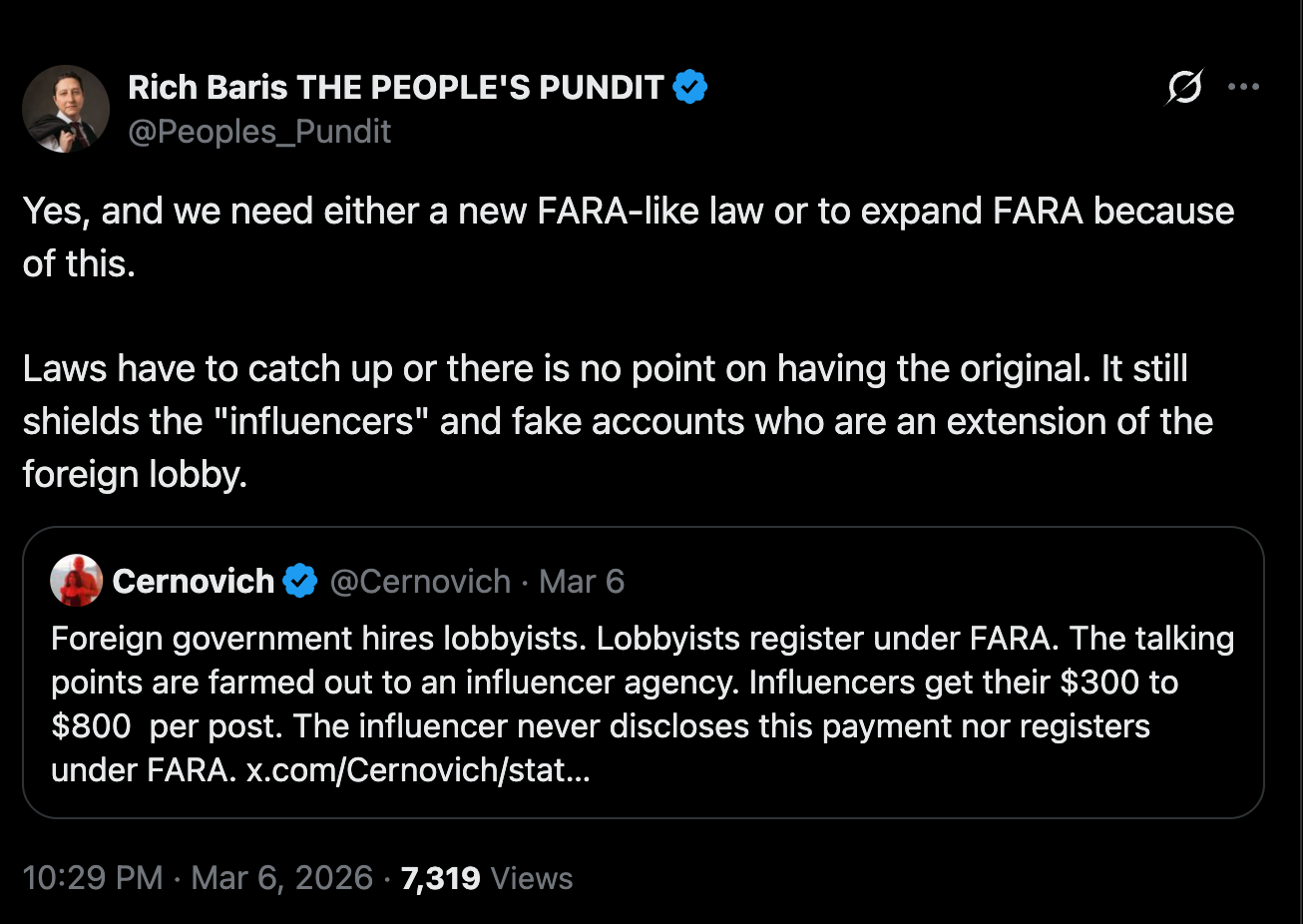
That got me thinking about Substack, and I took a moment to start hovering over the names of paid commenters to check their information. Sure enough, I kept seeing bot-like handles in many comments.
I will not name the substacks I checked here; I have no enmity toward those writers, and I do not wish to cause them any problems. However, my recommendation is to look carefully at your favorite substackers, particularly political influencers who allow paid comments only and who have a high number of paid subscribers.
I think you might be surprised at what you find in their comments section.
You should be very careful indeed when you read content and comments on Substack. The writer of the article might - with or without knowing it - be being influenced by paid bot accounts funded by unknown actors for reasons such as narrative shaping, product endorsements, etc.
And the comments you read might be posted by a bot farm, and they could be designed to sway you one way or the other toward a certain point of view.
I extend that warning also to anything you see on social media too.
Remember that all of this is happening with no disclosure to you, the reader, so you have no way of knowing if the comments you are reading are real or generated by a bot farm, and you have no way of knowing if the Substack writer is saying what they really believe or if they are being paid behind the scenes to post such content.
And remember that all of this can also be happening in a gray area where certain foreign governments, corporations, or political groups decide that they like the output of a certain writer, so they flood him or her with paid accounts to keep the same advantageous content coming. The writer might not know and might not ask any questions if money is flowing into his or her account.
Food for thought, eh? 🤔
How you can support my writing
Please share this post
Buy stuff you need from Amazon, I get a small cut at no extra expense to you.
Tip with Bitcoin:
bc1q8q0qlm8vuwnqzv5pjt0k934kmsq7dqr6xahkqk
All contributions from readers are greatly appreciated as they help me pay my bills. Thank you! 🥰
Am I Surprised? No
Why? Because we've received an influx of people from X that didn't like it when Musk followed Freedom of speech laws.
Does it bother me? No, because if I want to communicate with them, I'll restack their shit and they can read my replies there. They own the stack, and if they want suck-ups only to comment, that's their business.
If I ever opened my chat up to the public, I'd monetize it.
The only reason I don't lock comments to paid only is that I like to read what people think.
substack may have started with mostly a dissident population, but certainly isn't that now.
to note in context of your rant (no offense intended, I often rant myself):
the platform has made it more difficult to "block" users, or even get to their page from comments. used to be able to block immediately from a dropdown menu right clicking a username attached to a comment, but they deleted that functionality. around the same time it was made more difficult to block aggravating content, now I can't even consistently launch the user page from their name to go and block them from there. the interference almost seems intentional.
compare that to how it randomly pops up not-aggravating user info in the way of other comments, with no way to make it pop back down, when browsing comments on touchscreen, and it's extra aggravating they've partially nerfed the block feature.
I like blocking on "social media." it is not the real world with annoying people I actually run into and therefore cannot block outright, so I take advantage of the ability to screen out some of the content that makes me want to act like a drunken Choad and attack them. blocking is the only good thing the Facebook venue offers and they've made it harder too by allowing some "persons" anonymous posting in groups. the anon feature is both unblockable AND not available to all group members. the absolute worst persons seem to be the majority of those permitted anon posting by the Zuckerborg.
trolls, trolls everywhere. admittedly I do my share of deliberate trolling too, but certainly never get paid for it.
as time goes on I make less attempts at rational discussion with those who might be trolls and just jump straight to blocking. yes, I could be missing of, but you know what? I'd rather the peace and quiet of not interacting with them at all. even venting my disgust at them isn't worth leaving their comments visible.